
Primary and Secondary Education in Australia:
A Comprehensive Guide
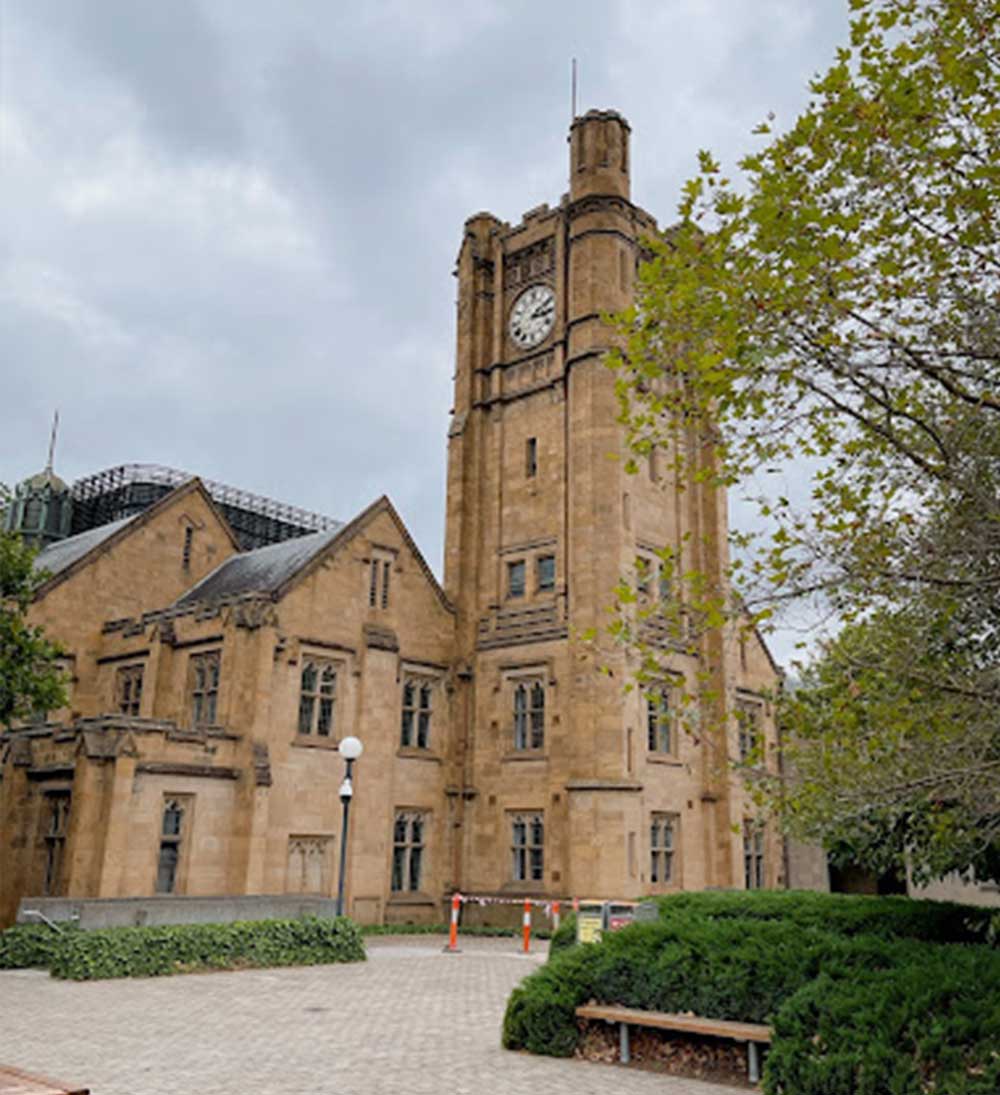
Australia holds a global reputation for academic excellence with a teaching structure that is inclusive, globally competitive, and uniquely holistic. This robust education system is overseen by various state and federal authorities which is designed to foster both academic proficiency and personal development. Australia has a governing education body in each of its states and territories, which provides guidelines and curriculums, however, overarching national standards are always maintained and continue to improve.
Primary Education: Laying the Foundation
Primary education is for children aged between five and twelve years and lays great emphasis on the all-round growth of the child. It covers Kindergarten (or Prep in some states) to Year 6.
Curriculum Focus: These include English, Mathematics, Science and Humanities. Whilst also providing generally diversified exposure that incorporates art, physical education, language, culture, and technology.
Inclusivity and Support: Schools provide a lot of support for students from diverse backgrounds, and even have English programs for newcomers to accelerate their learning process, named English as a Second Language (ESL) which is provided alongside the standard curriculum. This ensures that non-native English speakers are not left outside and can catch up to the English standards of their peers quickly.
Transitioning to Secondary Education
As students move to secondary education, the curriculum becomes more specialized. This phase, covering Years 7 to 12, is where students begin to shape their future academic and career pathways.
Curriculum Breakdown: Secondary education consists of years 7 to 12 in which the student’s curriculums start to become more focused enabling the student to try new subjects and disciplines. From year 9, students can choose a small portion of their curriculum through elective subjects, i.e., arts, technologies, languages, humanities, health, sciences, and VET courses. After they have gotten a taste of these electives, they get another opportunity to choose their subjects in years 11 and 12 where the only compulsory subject is English and the rest of the 6-8 subjects are up to the students to choose from. Subjects in years 11 and 12 have a much wider array of choices and also include different difficulty levels to choose from, providing students with the ability to use their specific academic strengths to their advantage.
Assessment and Certification: Following the release of the year 12 results, assuming minimum academic conditions are met, students are awarded the Senior Secondary Certificate of Education (varies by state, e.g., HSC in NSW, VCE in Victoria). The certificate is key for Australian university admissions and is widely accepted and recognised internationally.
Integration of International Students
Support Systems: Australian schools have facilities that can support the academic and social integration of international students. School counsellors, ESL (English as a second language) teachers and international student coordinators have important roles to play in easing their high school transition.
Cultural Exchange: Australian schools have international students as an important aspect that helps in the creation of a diverse blend with a multicultural society. Several schools have multicultural conferences meant to showcase the different heritages of the world, in their efforts to produce global citizens.
Extracurricular Activities: Extracurricular activities in Australian schools play a vital role in building the student’s character, teamwork, and leadership. They range from sports: like cricket, soccer, and netball to arts: music, drama, and dancing programs or academic clubs like debate clubs and science clubs, among others. These opportunities allow the holistic development of the student whilst ensuring a memorable childhood for the student.
Considerations for International Parents
School Year: Unlike other countries, the school year in Australia starts towards the end of January or early February and ends in December with rest breaks held in April (Autumn), July (Winter) and late September (Spring) respectively as well as longer summer break from mid-December to the ending of January.
School Choice: Australia offers a range of public, private and religious schools. Parents must evaluate the curriculum, available extracurricular activities, support for non-English speakers and close proximity of the school before enrolling their children.
Visa Requirements: It is a prerequisite for parents to have a student visa for their child studying in Australia. The process includes meeting several requirements, such as obtaining a Confirmation of Enrolment (CoE) from the desired school.
Health and Well-being: In Australia, student well-being is often given priority in schools and most of them own sick bays and counselling centres, with full-time nurses and counsellors therefore cited to cater for the physical and emotional ailments of students.
Preparing for the Future
Australian primary and secondary education instil much more than knowledge; it stimulates critical thinking, creativity, and resilience. International students move on as adequately prepared individuals, not only for Australian universities but also for global prospects. Career is one of the vital aspects of life and most institutions have outfitted their schools with career advisors plus counselling sessions to help students’ identity themselves, make a path and finally realize their dreams.
Unlock Your Potential with Australia’s Premier Institutions